English
 French
 Spanish
 Italian

Greaseproof Paper
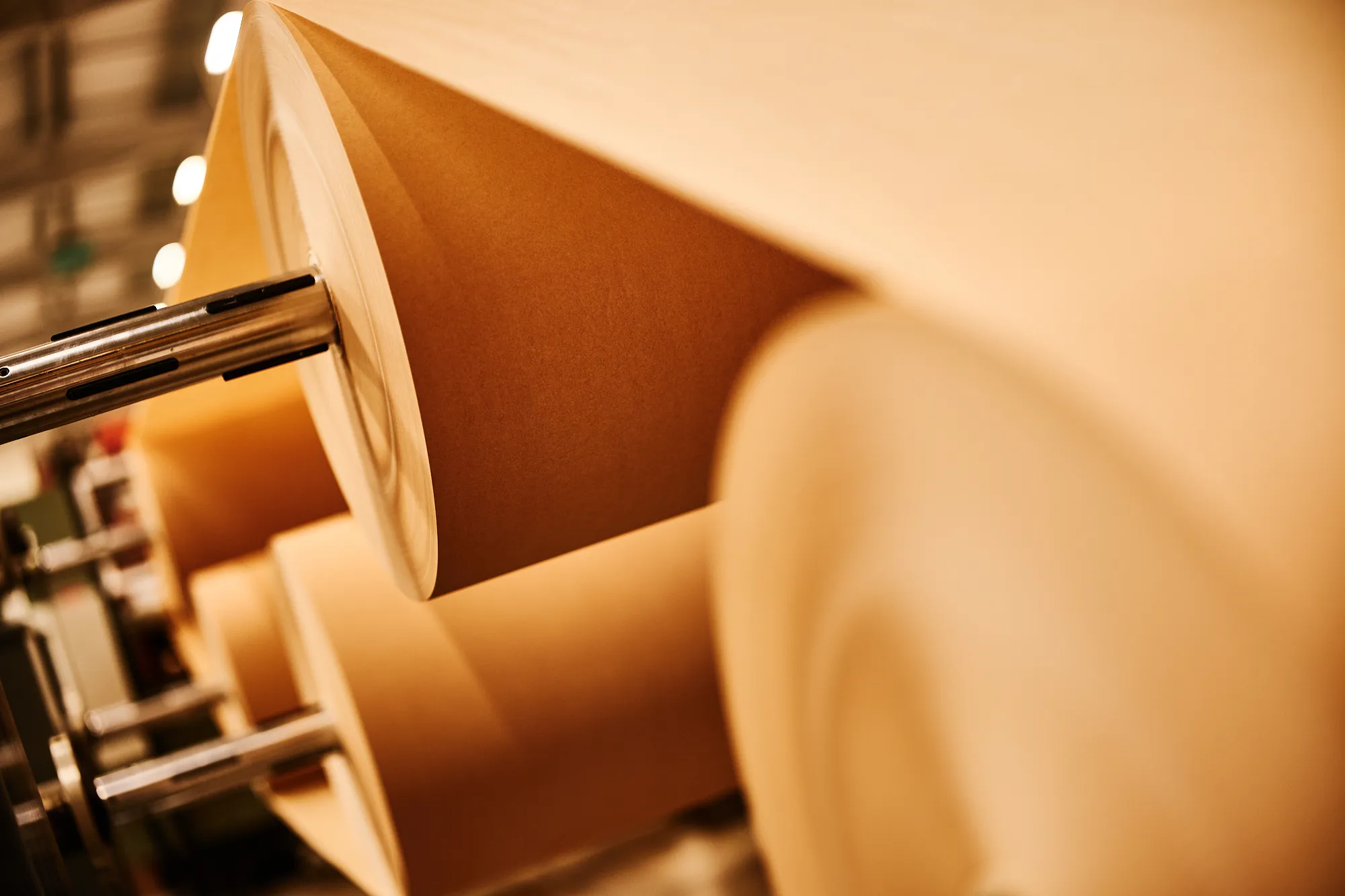
CoCopac supplies greaseproof paper for wrapping, lining and presenting dry, cooked and moderately greasy food products. It provides a practical grease barrier for point-of-sale, foodservice and food-production applications where strong release performance is not required.
Products can be supplied in sheets or reels and converted into bespoke sizes and shapes, including discs, squares and triangles. Printed greaseproof paper is also available for suitable volumes, helping businesses combine practical food-contact packaging with branded presentation.
Features
Greaseproof paper is a versatile option for wrapping and separating food, but it is important to distinguish it from siliconised paper where release, high moisture or demanding baking performance is required.
Grease-resistant wrapping
Greaseproof paper provides a light barrier against fats and oils, making it suitable for wrapping and presenting a variety of cooked, dry and moderately greasy foods.
Bespoke sizes and shapes
Paper can be supplied in sheets or reels and converted around the intended product or pack. Options include bespoke rectangular sheets, discs, squares, triangles and other practical formats.
Bespoke printed options
Custom printing is available for suitable order volumes, allowing the paper to support branded food presentation as well as its practical packaging role. Up to four-colour printing can be discussed with the CoCopac team.
Example Greaseproof Paper Applications
The examples below illustrate common applications, although the final material, dimensions and format should be selected around the particular food and process.
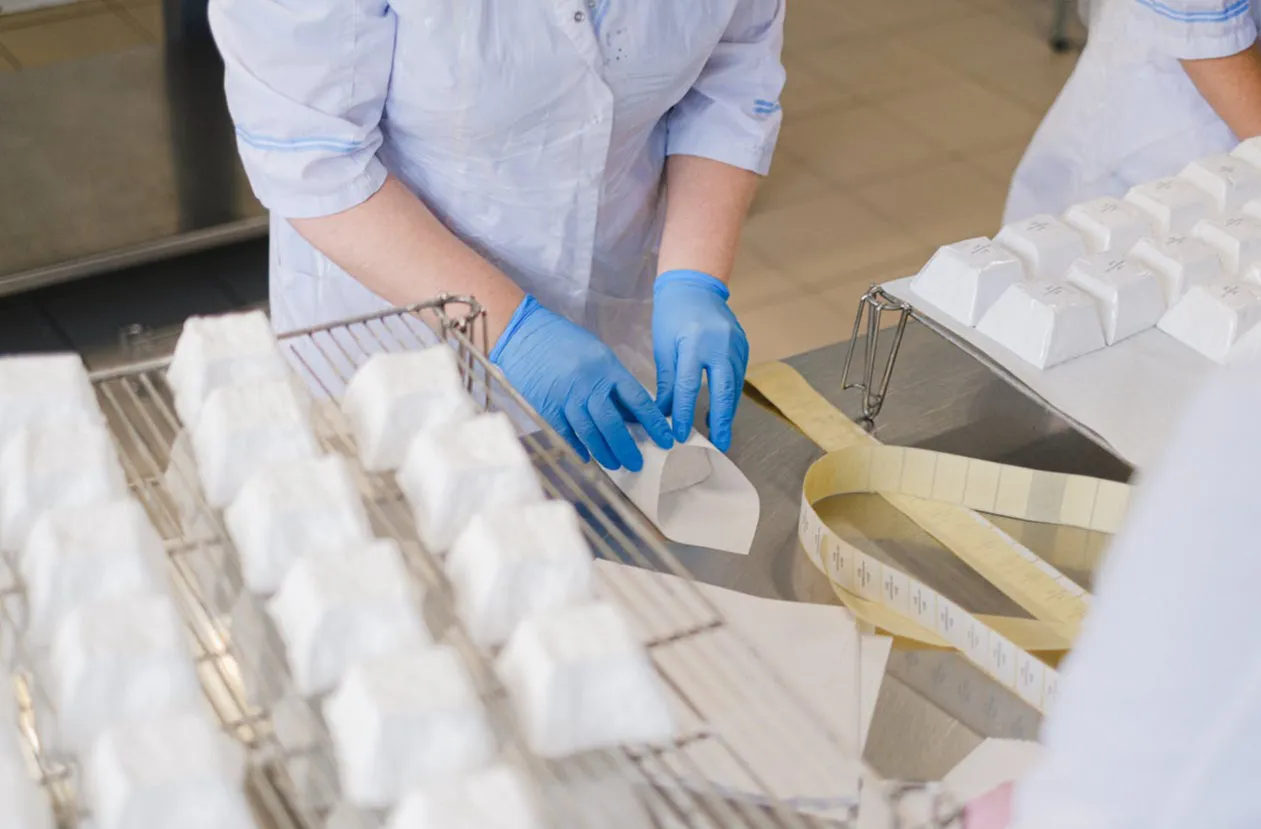
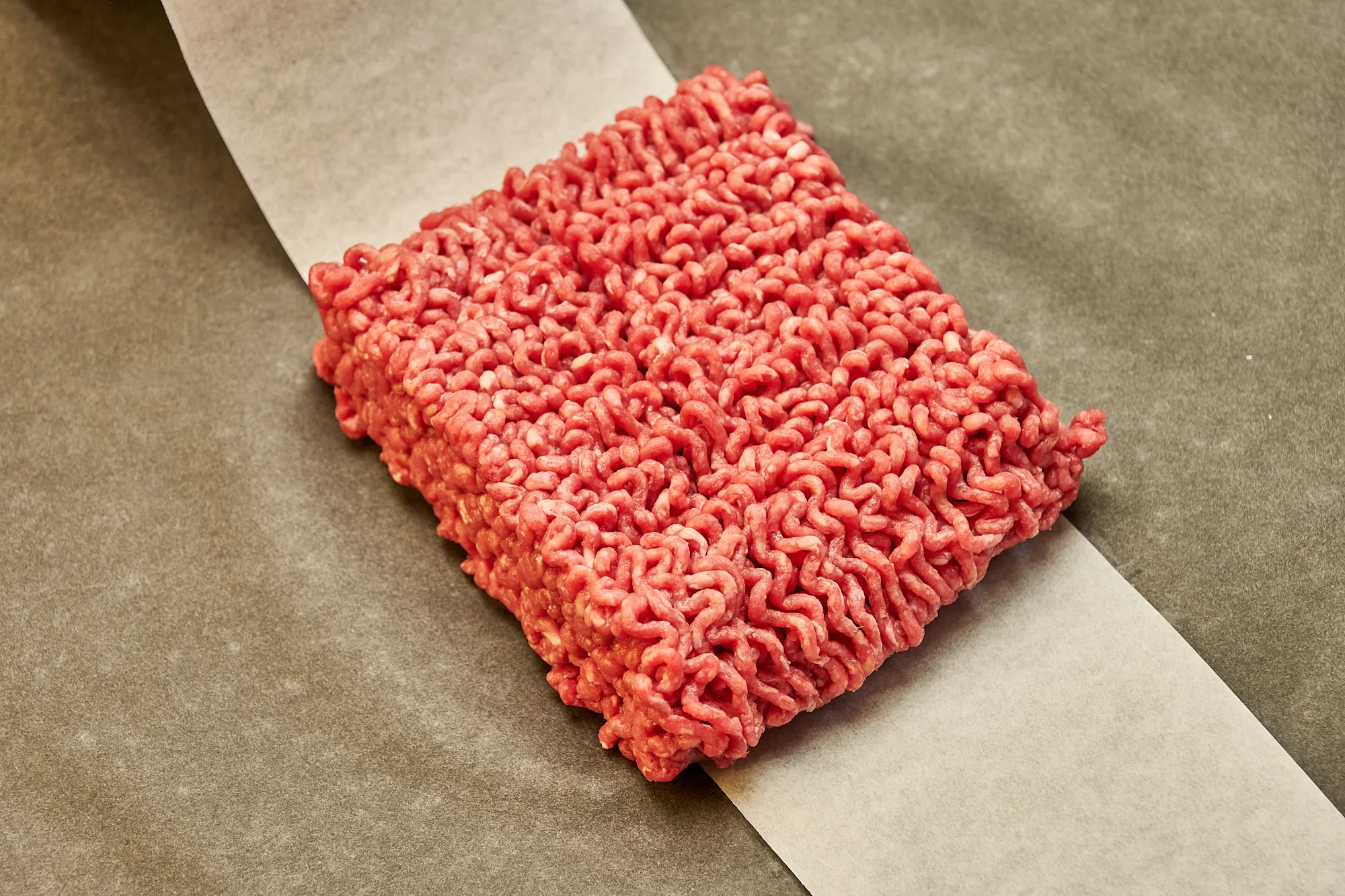
Butcher, Deli and Foodservice Wraps
Grease-resistant sheets for wrapping and presenting cooked meats, deli products and other foods packed or served at the point of sale.
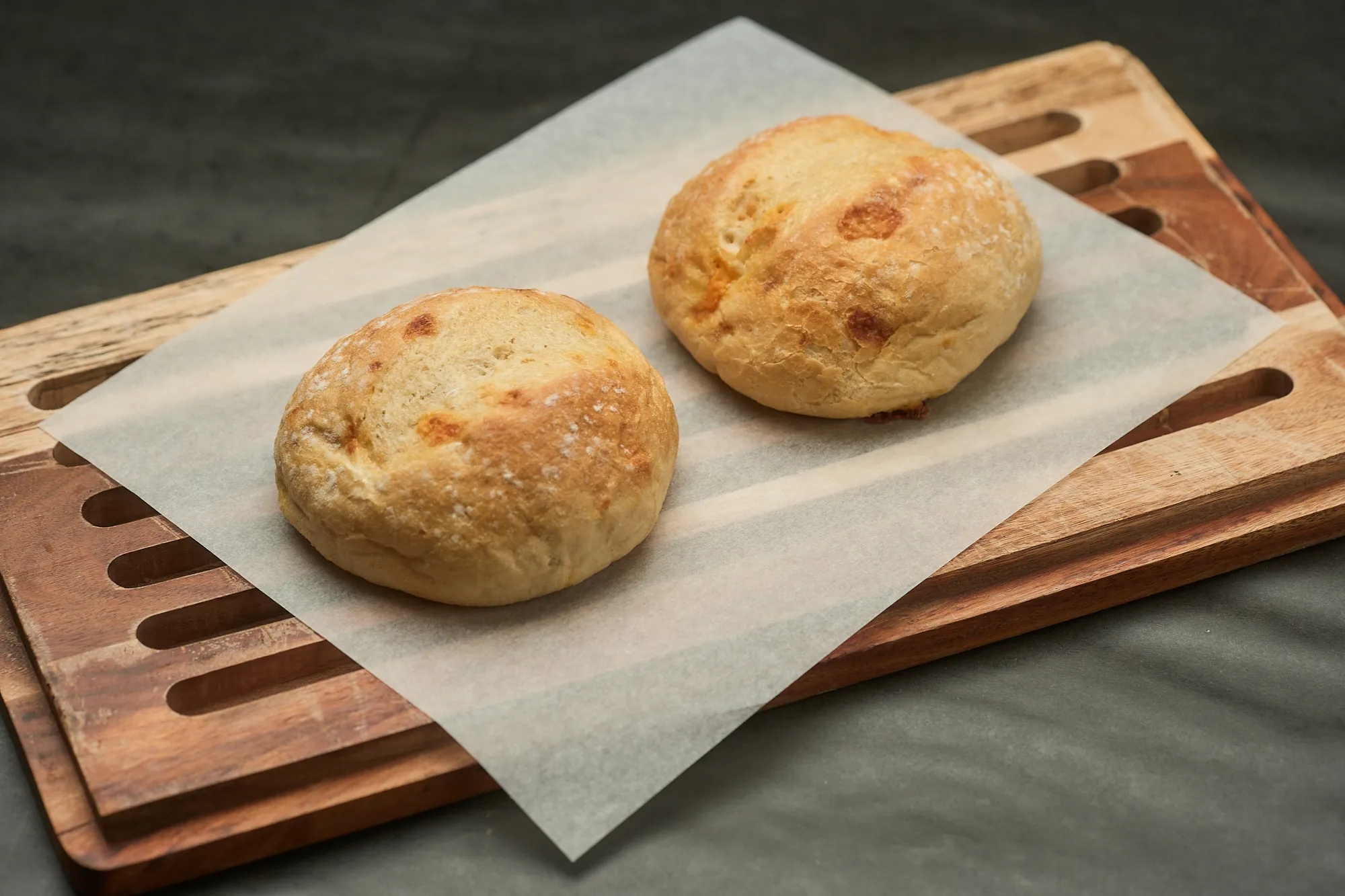
Tray and Container Liners
Bespoke sheets, discs and shaped liners for trays, cases and food containers where a practical barrier between the food and pack is required.
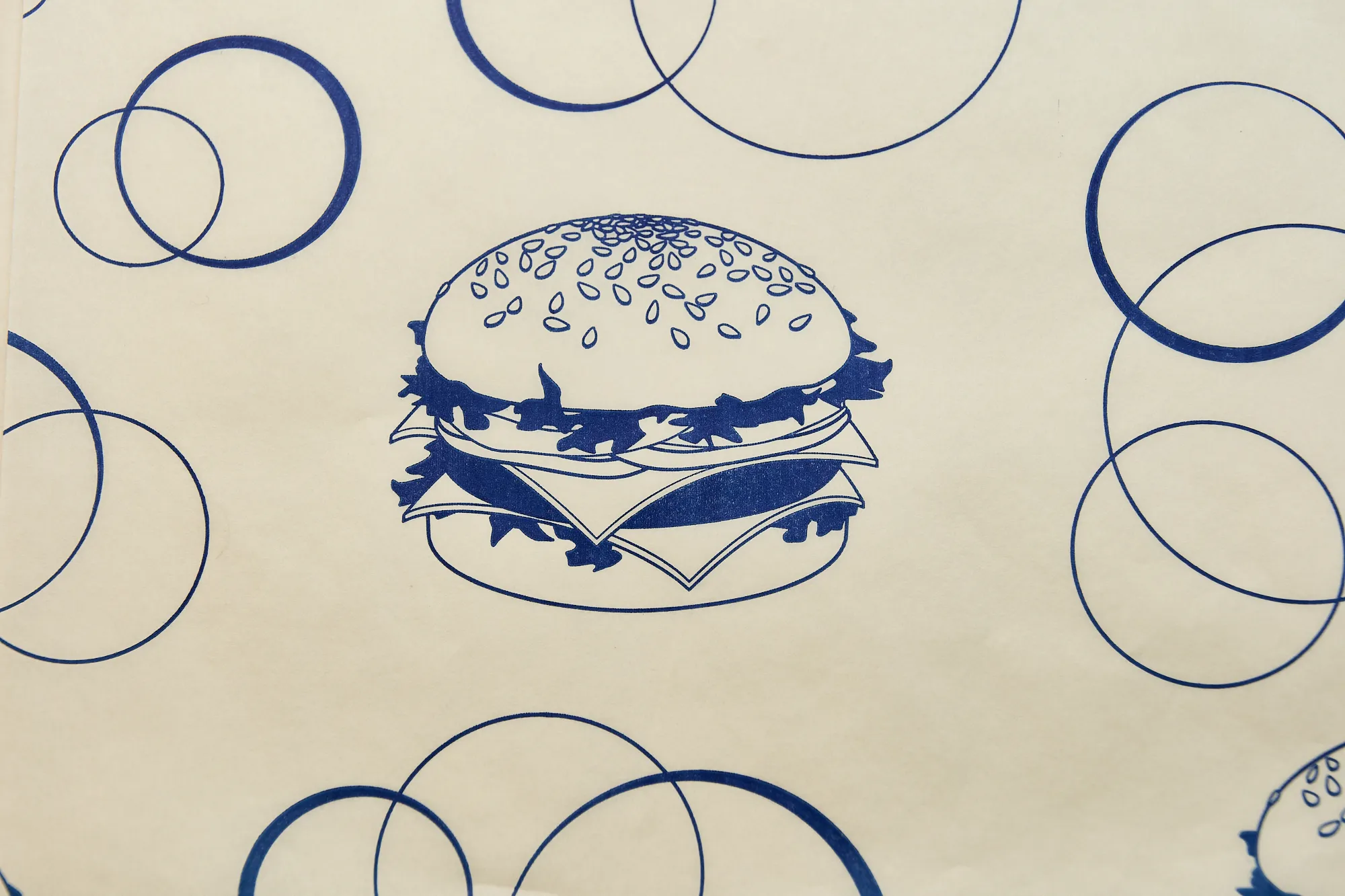
Printed Food Presentation Papers
Branded greaseproof sheets for counters, foodservice, catering and takeaway presentation, produced to agreed dimensions and artwork requirements.
Greaseproof Paper FAQs
Common questions about the uses, formats and limitations of greaseproof paper.
What is greaseproof paper used for?
Greaseproof paper is primarily used for wrapping, lining, separating and presenting foods where resistance to fats and oils is required. Typical applications include deli and butcher wrapping, foodservice presentation, tray liners and selected cooked-food uses.
Is greaseproof paper the same as baking paper?
Not necessarily. Products commonly called “greaseproof paper” in domestic kitchens are often siliconised papers that provide release during baking. Standard greaseproof paper offers a grease barrier but does not provide the same release properties as siliconised greaseproof paper.
Can greaseproof paper be used in an oven?
It may be suitable for selected heated applications where the food is already cooked and strong release performance is not required. It should not automatically be treated as general baking paper, particularly for wet doughs, sticky products or applications where the food must release cleanly. The full process should be discussed before a specification is selected.
Is greaseproof paper suitable for frozen or sticky foods?
Standard greaseproof paper is not normally the best choice where reliable release is needed. Siliconised greaseproof paper or siliconised vegetable parchment may be more appropriate for sticky foods, frozen interleaving and high-moisture products.
Is greaseproof paper available in bespoke sizes?
Yes. It can be supplied in sheets or reels and converted into bespoke dimensions and shapes, including discs, squares and triangles.
Can greaseproof paper be printed?
Yes. Bespoke printed greaseproof paper is available for suitable order volumes. The current minimum quantity discussed for bespoke print is approximately 250kg, with a typical lead time of four to six weeks following approval of the printing plate and artwork. These figures should be confirmed when quoting.